Feldman Architecture's 2024 Corporate Social Responsibility Report
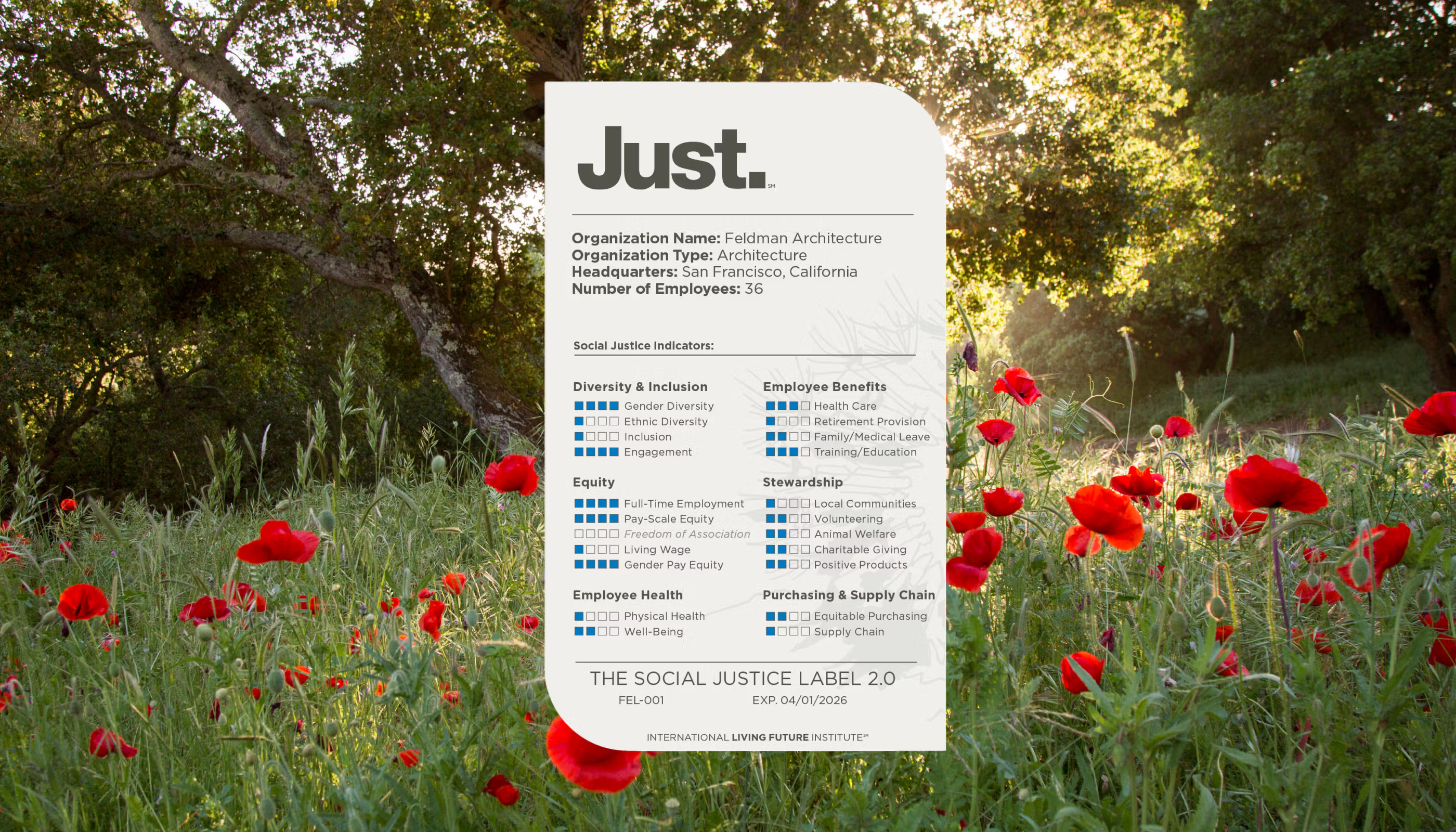
In 2024, Feldman Architecture earned a Just Label certification. To complete this in-depth, self-reporting process, we spent a year reviewing and discussing our studio’s operations and policies, reflecting on where we wanted to focus our efforts and allocate resources to create a more equitable practice.
The Just Label, run by the International Living Future Institute, functions similarly to a nutrition label that scores organizations on socially just and equitable operations and policies. As a voluntary disclosure tool, it’s a transparency platform for organizations to disclose specific information about their operations, from employee demographics and benefits to financial and community investments.
The score for each Just indicator ranges from 0-4. To receive score of 1, the organization needs to have a policy written specifically addressing the indicator and its requirements, while each subsequent point raises the bar substantially. Receiving a 2 in certain categories required significant discussion and policy changes, which we were excited to make. We are very proud of our Just label certification and have set 1-year and 3-year goals to continue to level-up.
See Feldman Architecture’s complete Just Dashboard here, which provides information on each of our 24 performance indicators, as well as our company policies individually addressing each indicator. After reviewing our handbook, we solidified policies we’re proud of, such as a comprehensive 6-8 week Family/Medical Leave policy, 8 paid hours of volunteer time per staff member annually, a comprehensive healthcare, vision, and dental plan that covers 90% of total costs, and $1,000 of Continuing Education benefits per employee annually.
Innovative Materials and Designs
One of the most significant trends in sustainable housing is the use of renewable materials. Builders are now prioritizing materials like bamboo, recycled steel, and reclaimed wood. These materials not only minimize environmental impact but also enhance the aesthetic appeal of homes. Additionally, energy-efficient designs are becoming standard, incorporating features such as solar panels, green roofs, and high-performance insulation to reduce energy consumption.